THE AI HOUSE FOR FASHION BRANDS
Built for forward-thinking creative directors.
Photograph the clothes on a phone, approve one image, and every image after it matches that one. You never write a prompt.
Which of these is you?
Photographing a collection takes weeks and costs money. And it still has to come back looking like your brand.
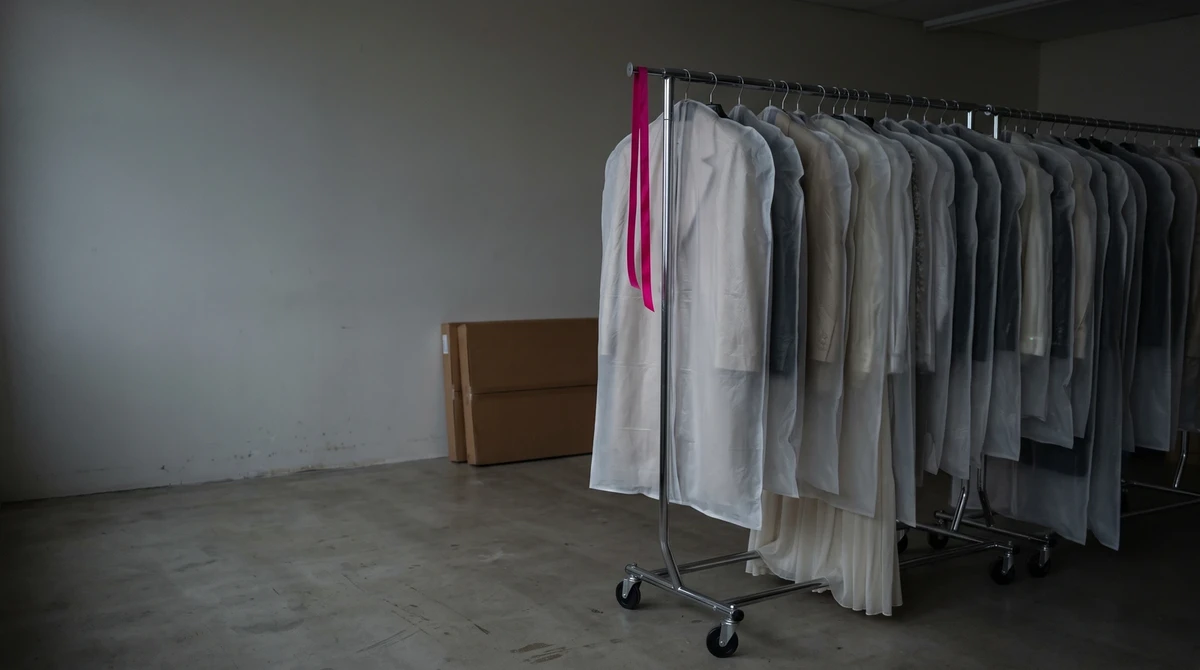
You have not tried AI.
The AI tools you have looked at all open with an empty text box and ask you to describe your own collection. You have seen what comes back, and it could belong to any label.
You do not know which words the machine wants, and finding out would take a week you do not have.
The picture you are afraid of is not a bad one. It is a good one that looks like everyone else's, with your name under it.
So the collection waits for a quieter month, and the quieter month does not come.
Nothing here asks you to describe your collection.
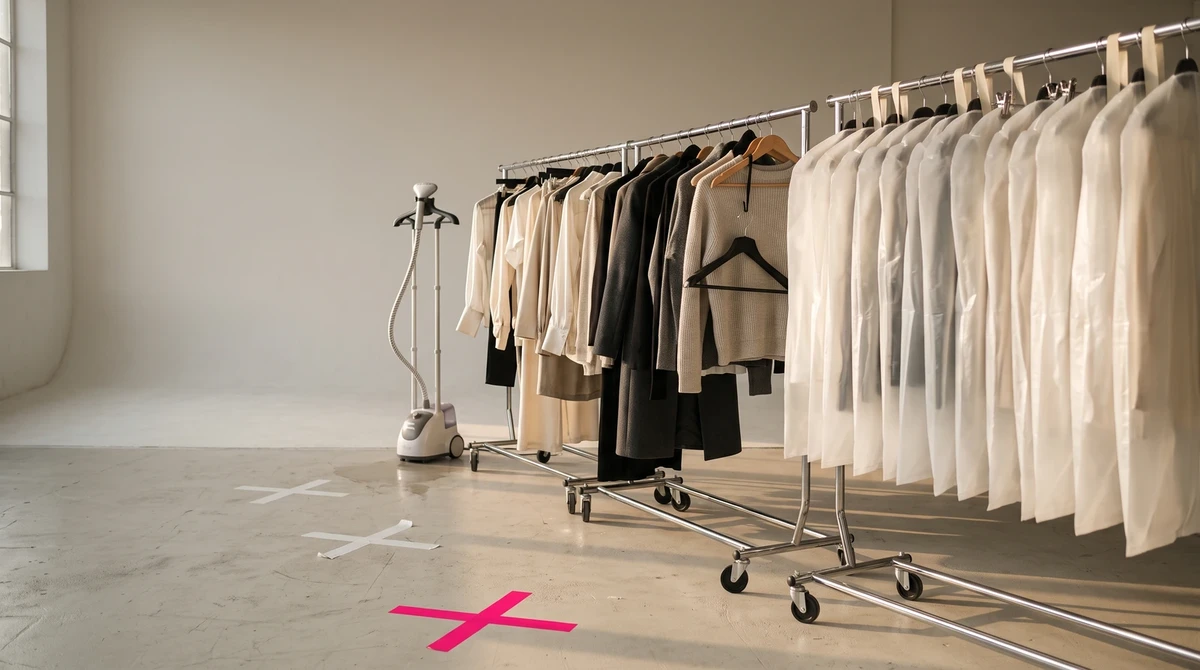
A shoot is endless moving parts.
You book the studio for the day, then the photographer, then the model through her agency, then hair and makeup, and the retoucher gets it afterwards. The invoice does not come as one number.
One person is ill on the Thursday and the whole thing moves. The date the collection has to be live does not move with it.
You pay for the day, not for the pictures you keep.
The pieces that never fit into the day do not get photographed at all: the colourways nobody had time for, the restock that arrived a week after everyone went home.
Handing the whole thing over to a machine is the part you are not ready for, and nobody is going to ask you to be.
Keep the shoot. Start with the pieces that never fit into it.
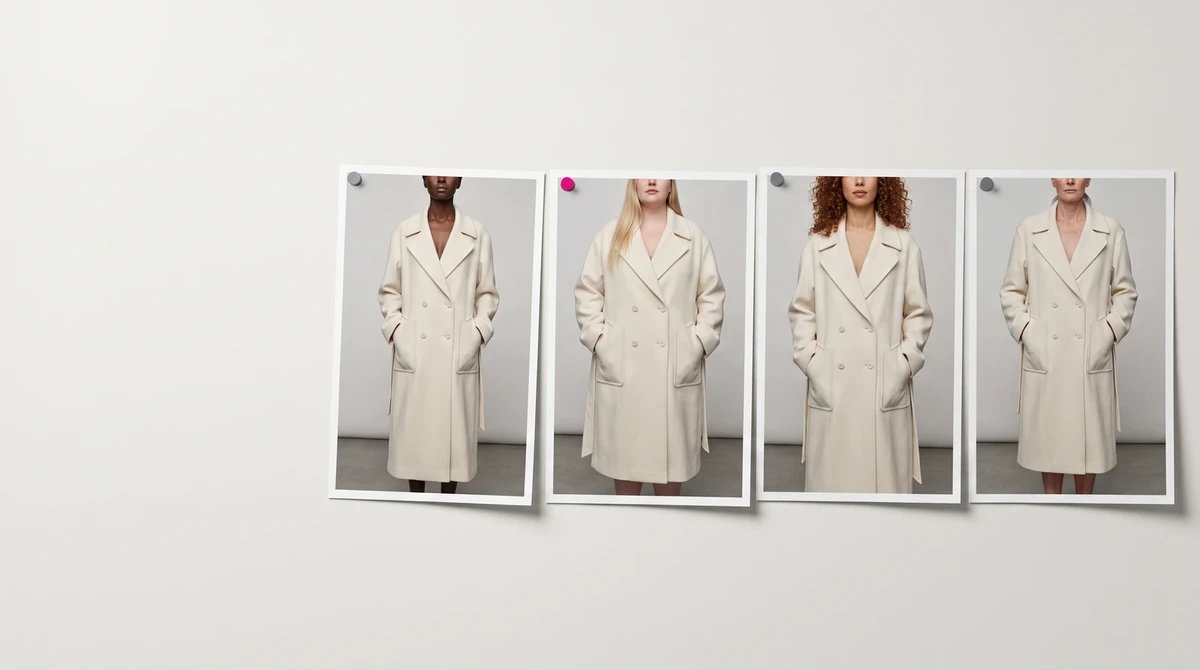
You already tried AI.
It was going to cost less than the shoot. Then a week went by and you were on your third platform, teaching each one from scratch what your brand looks like.
Every platform starts from nothing. You upload the same references, write the same paragraph about the fabric, and it still puts your coat on a different woman.
You saved money and paid in your own time instead, and nobody sends you an invoice for that.
You spent a week on it and kept a handful of images that were actually on brand.
Here you would teach it once.
Invitation only · we are letting houses in slowly
Next week does not have to go like that.
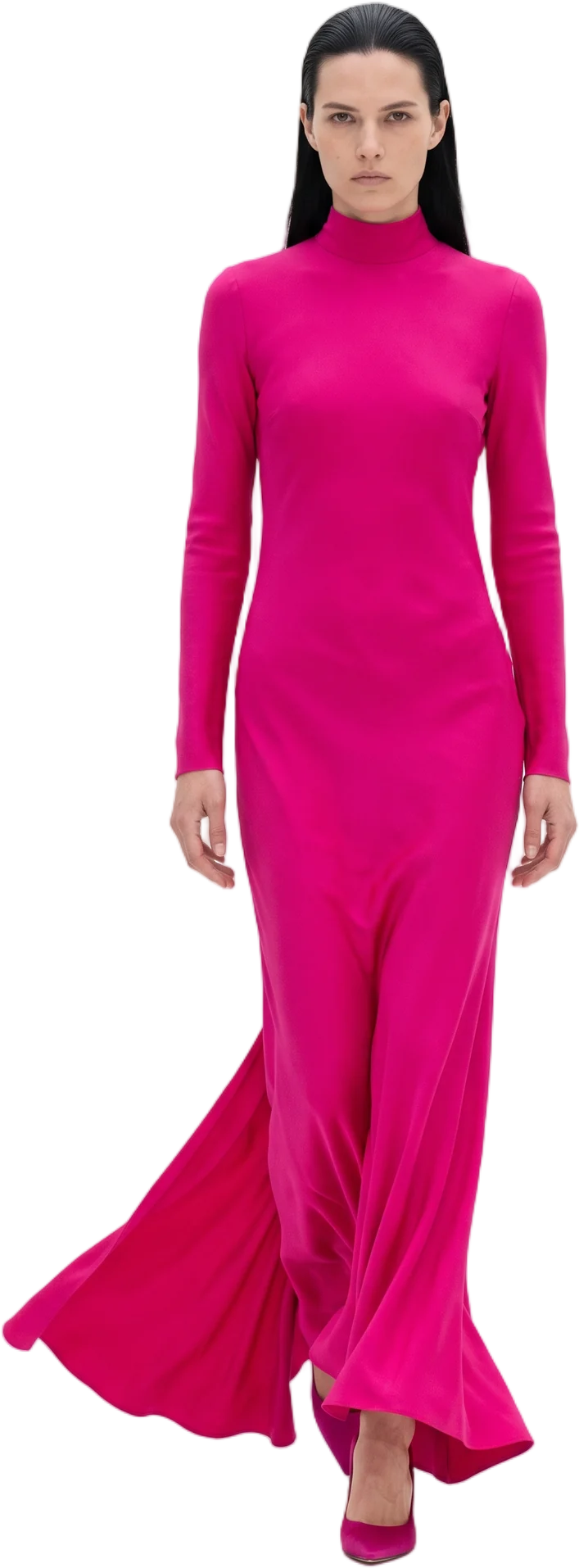
Nobody photographed this.
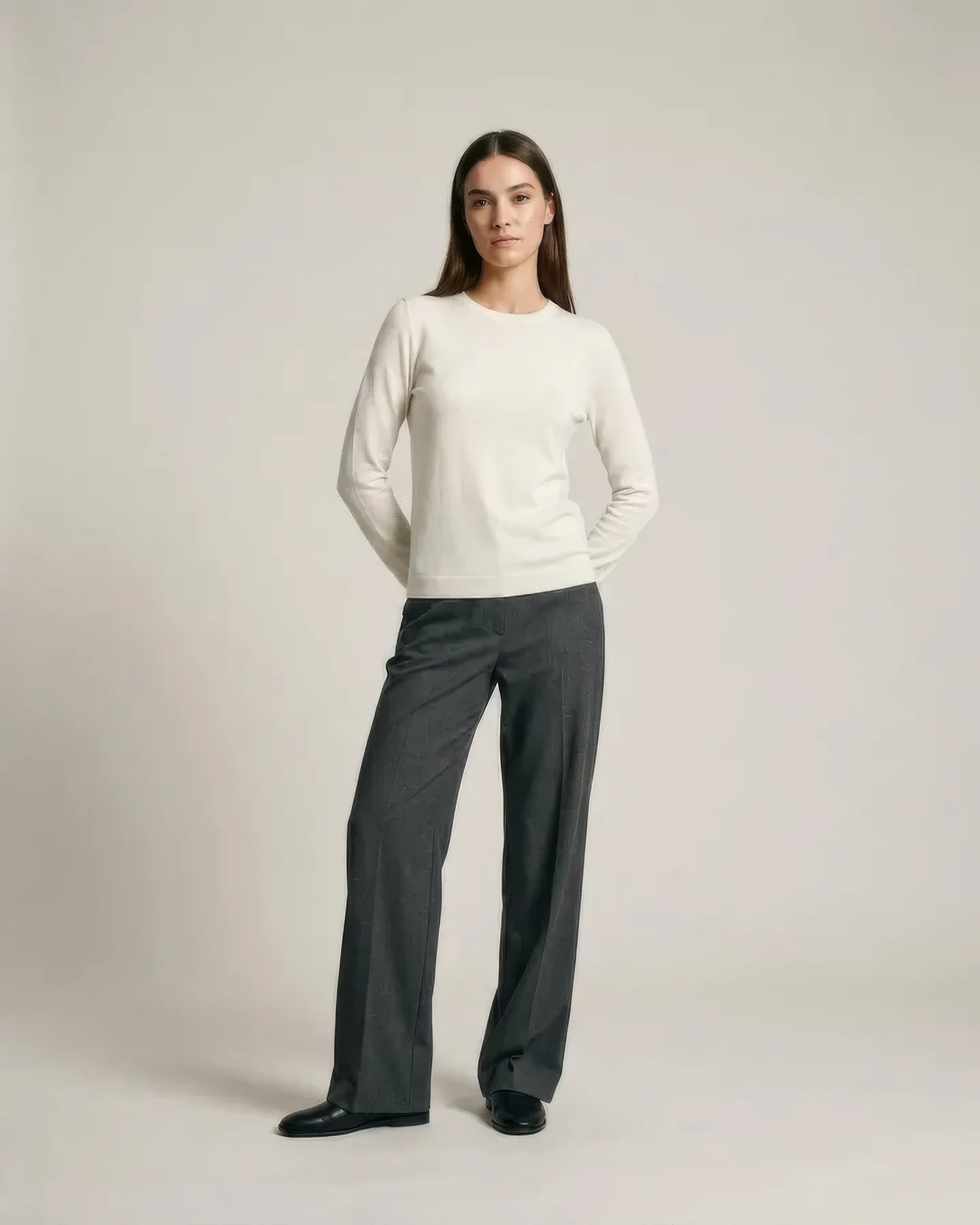
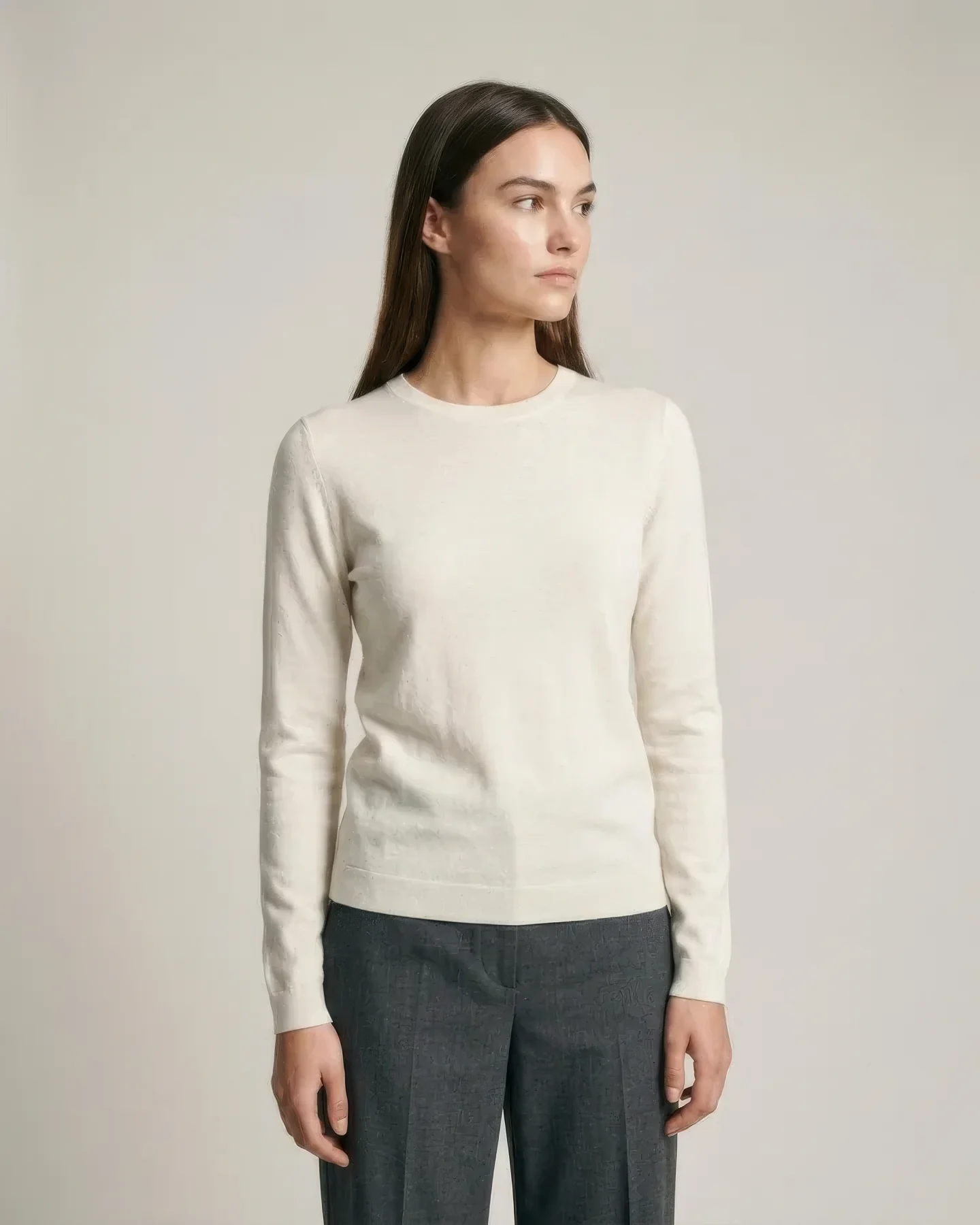
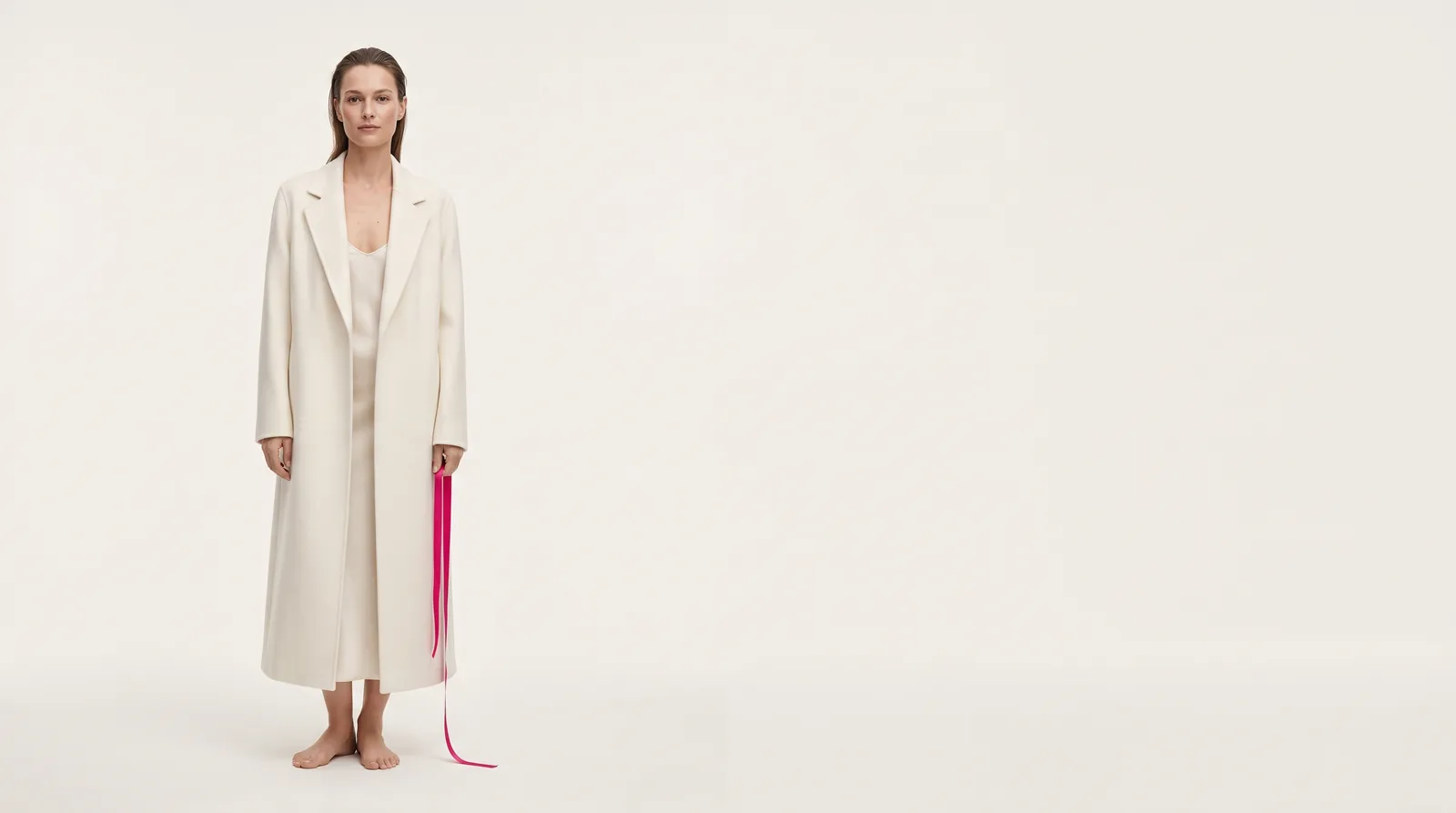
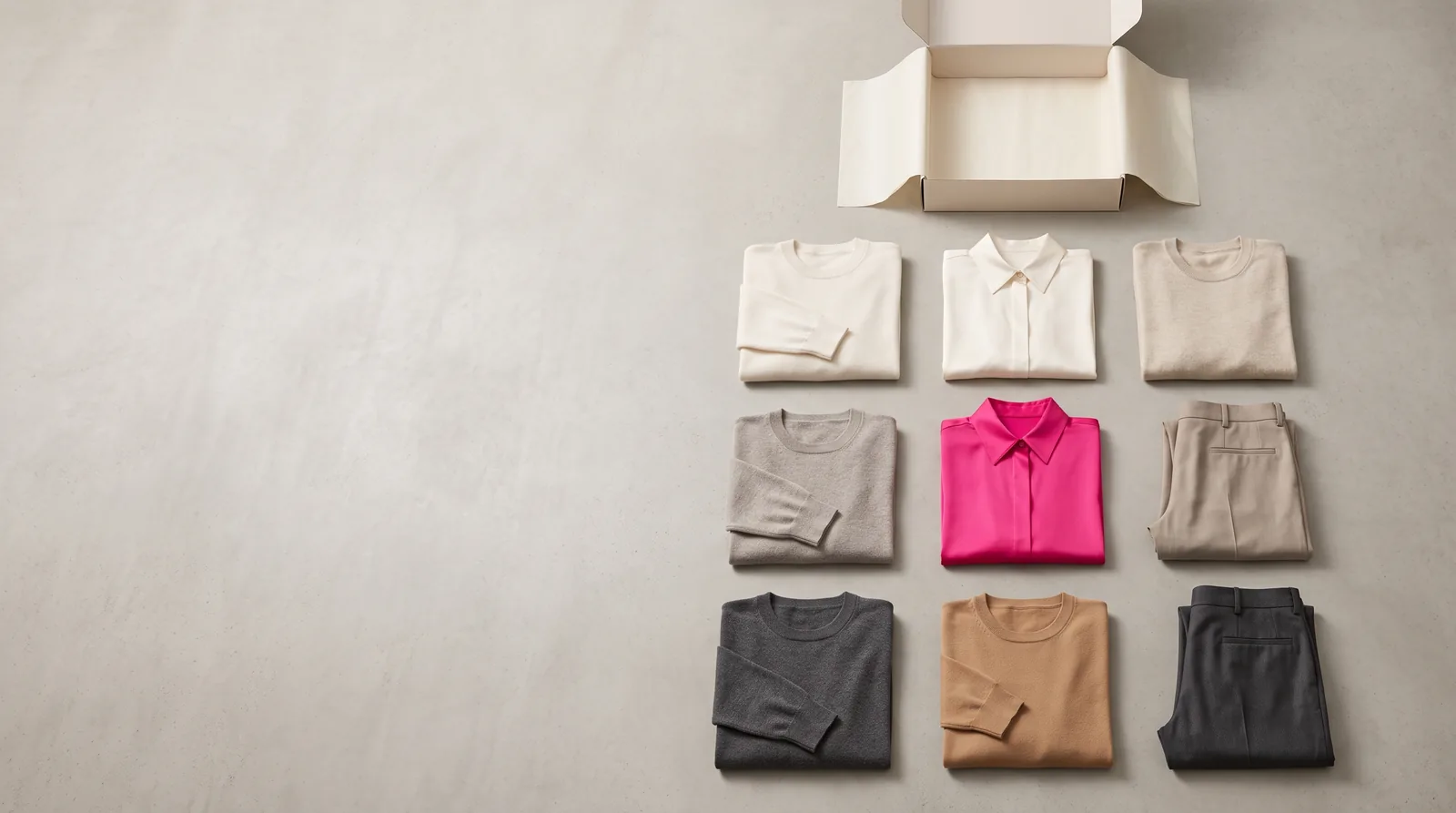
Every finished image on this page came out of FLAM: the walking model who opened it, the lookbook, the backdrops, the packshot. The only photographs are the phone shots the work started from. We did not book a studio or call a photographer, and nothing here was retouched. You have been looking at the product since you arrived.
Lock the reference. The rest match.
Approve the first image, then pick the poses you want: there are 13 here, and a look usually uses 3 to 5. The model, the garment and the light stay the same in every one.
Medium 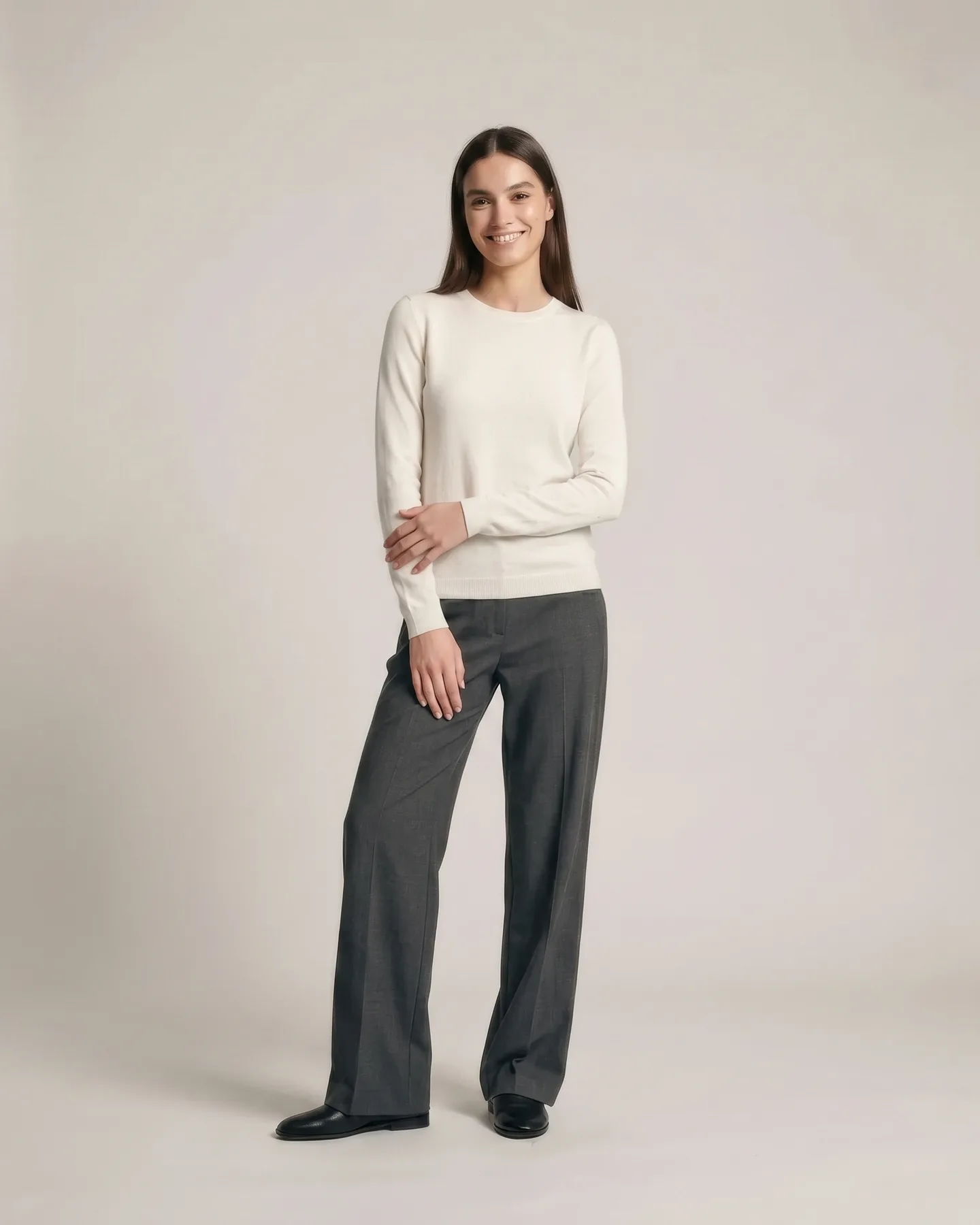
Relaxed 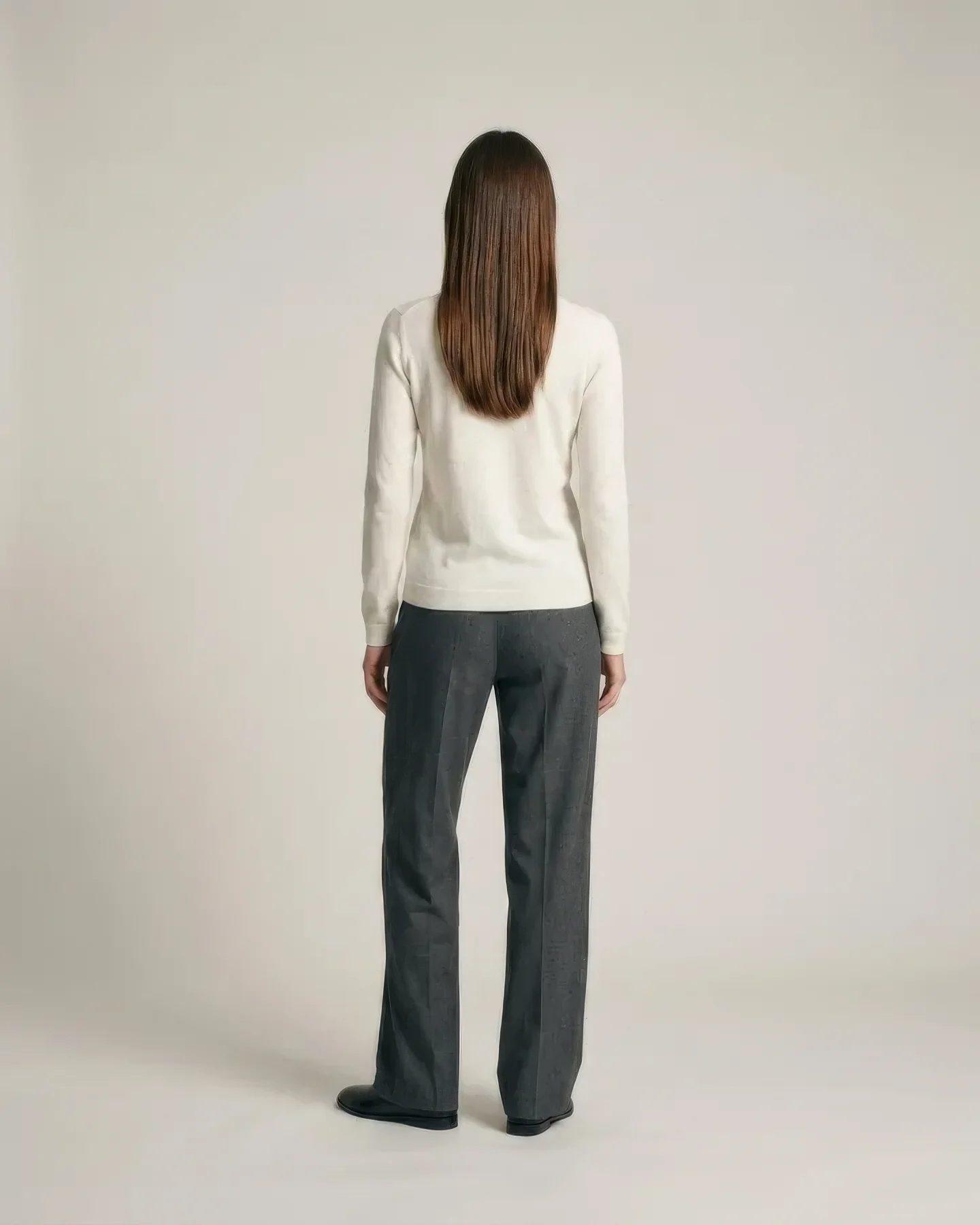
Back 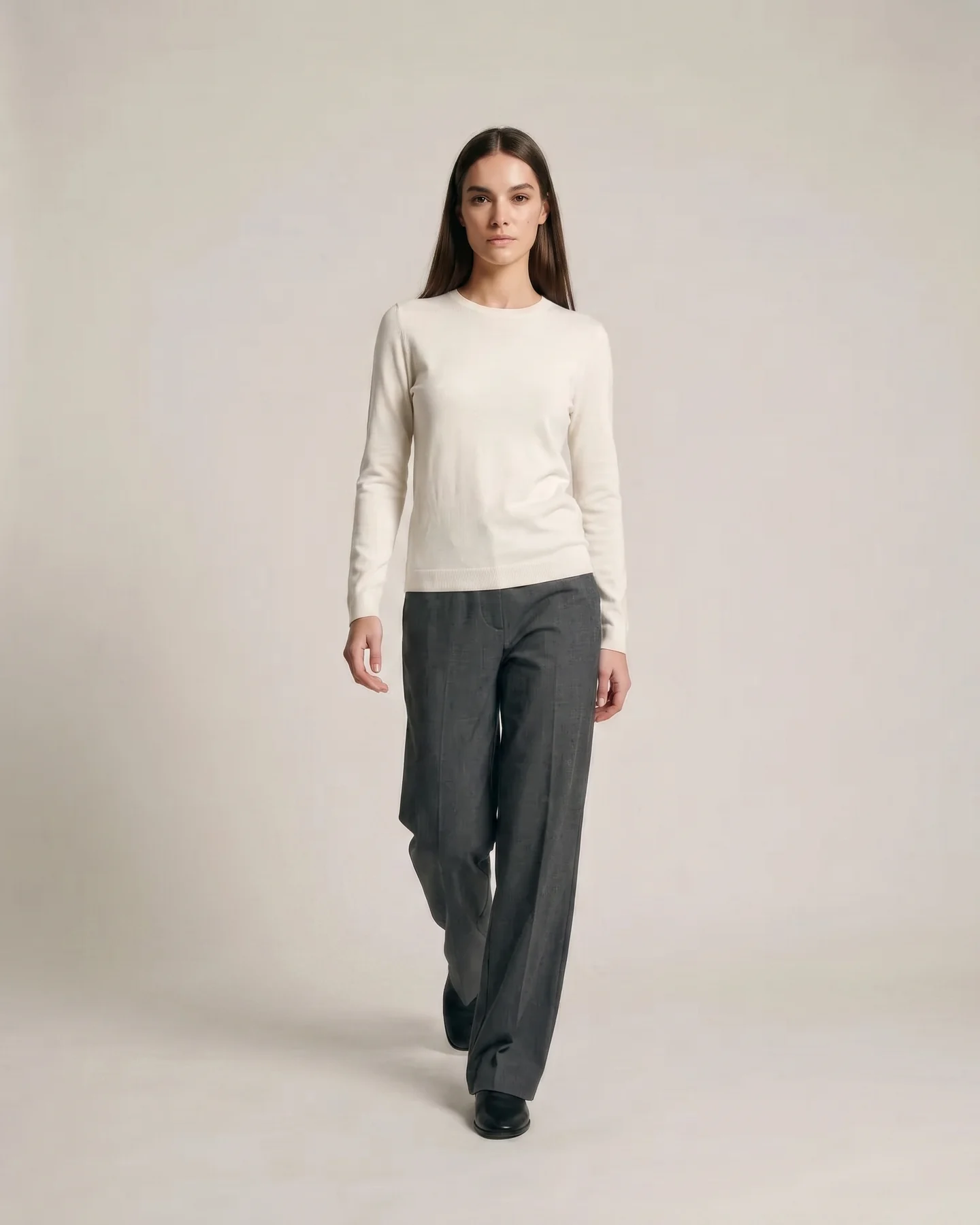
Walk 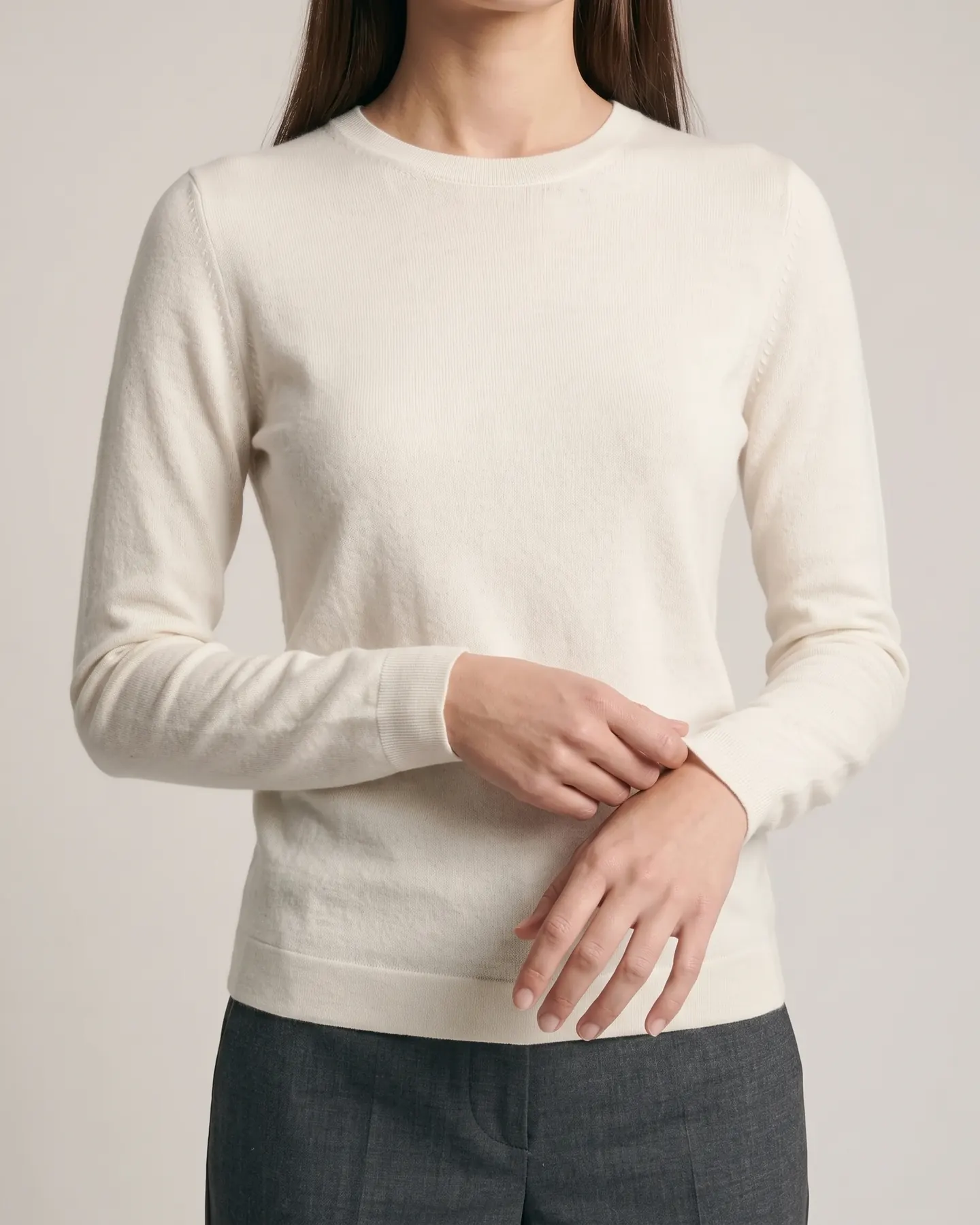
Knit 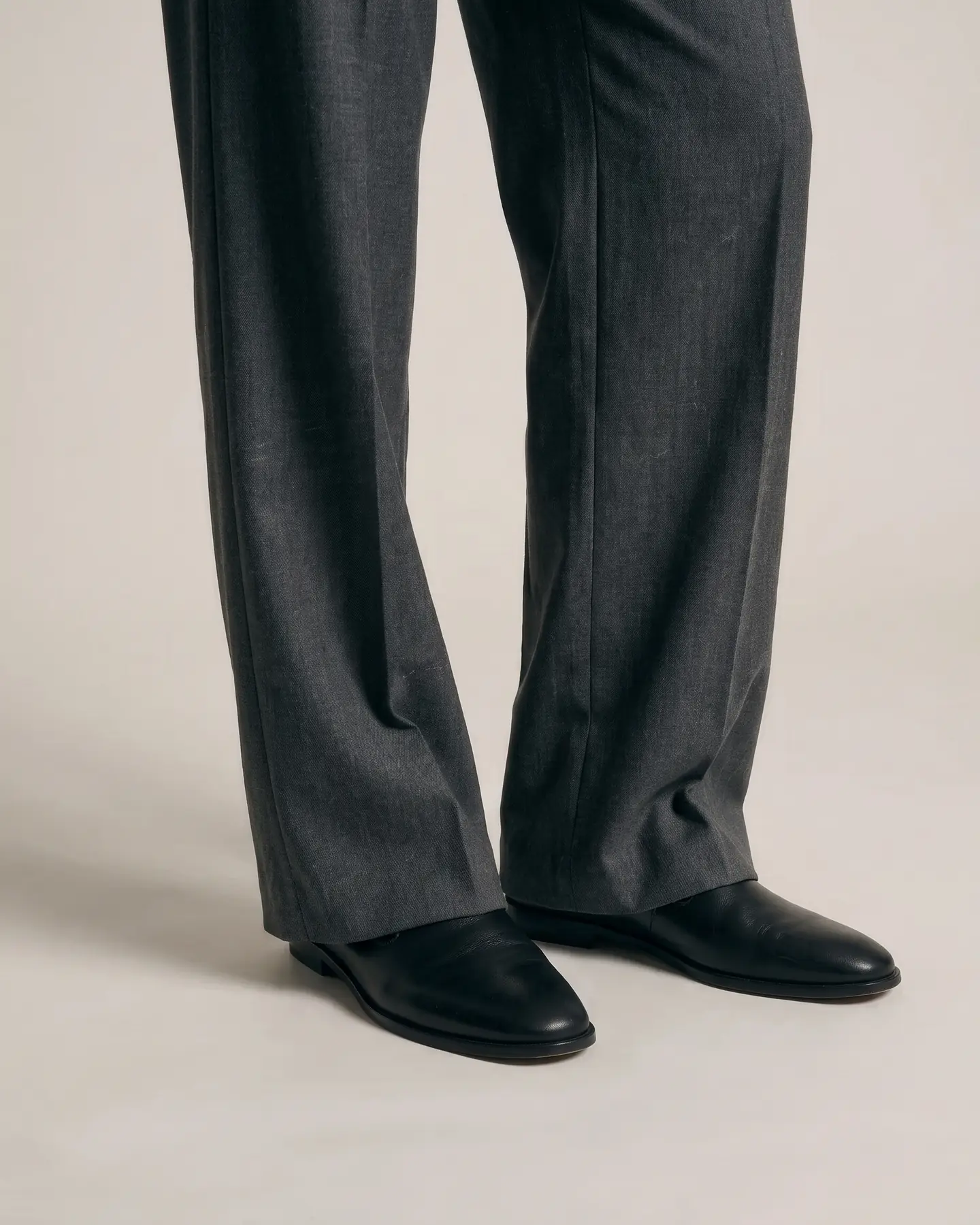
Hem 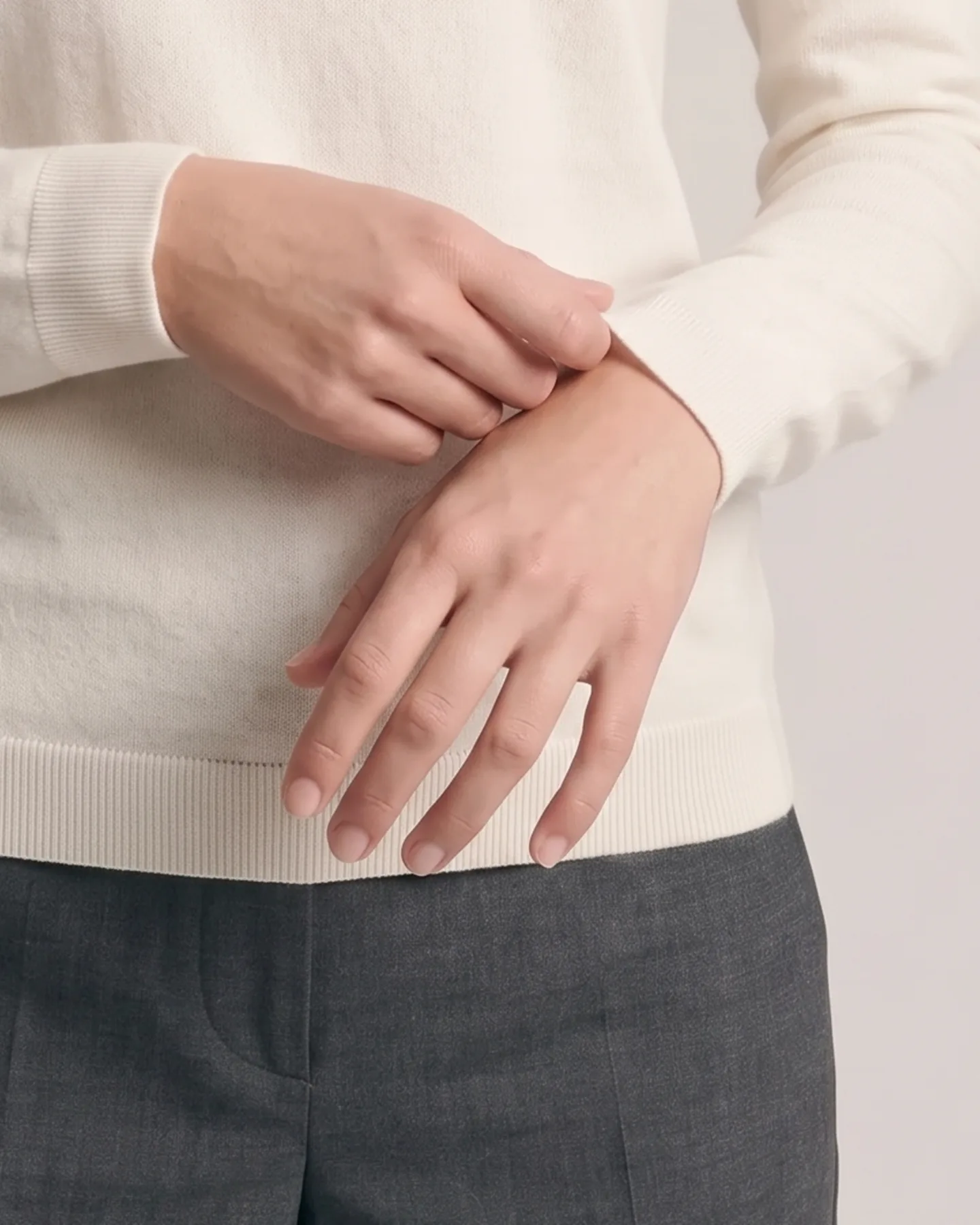
Hands 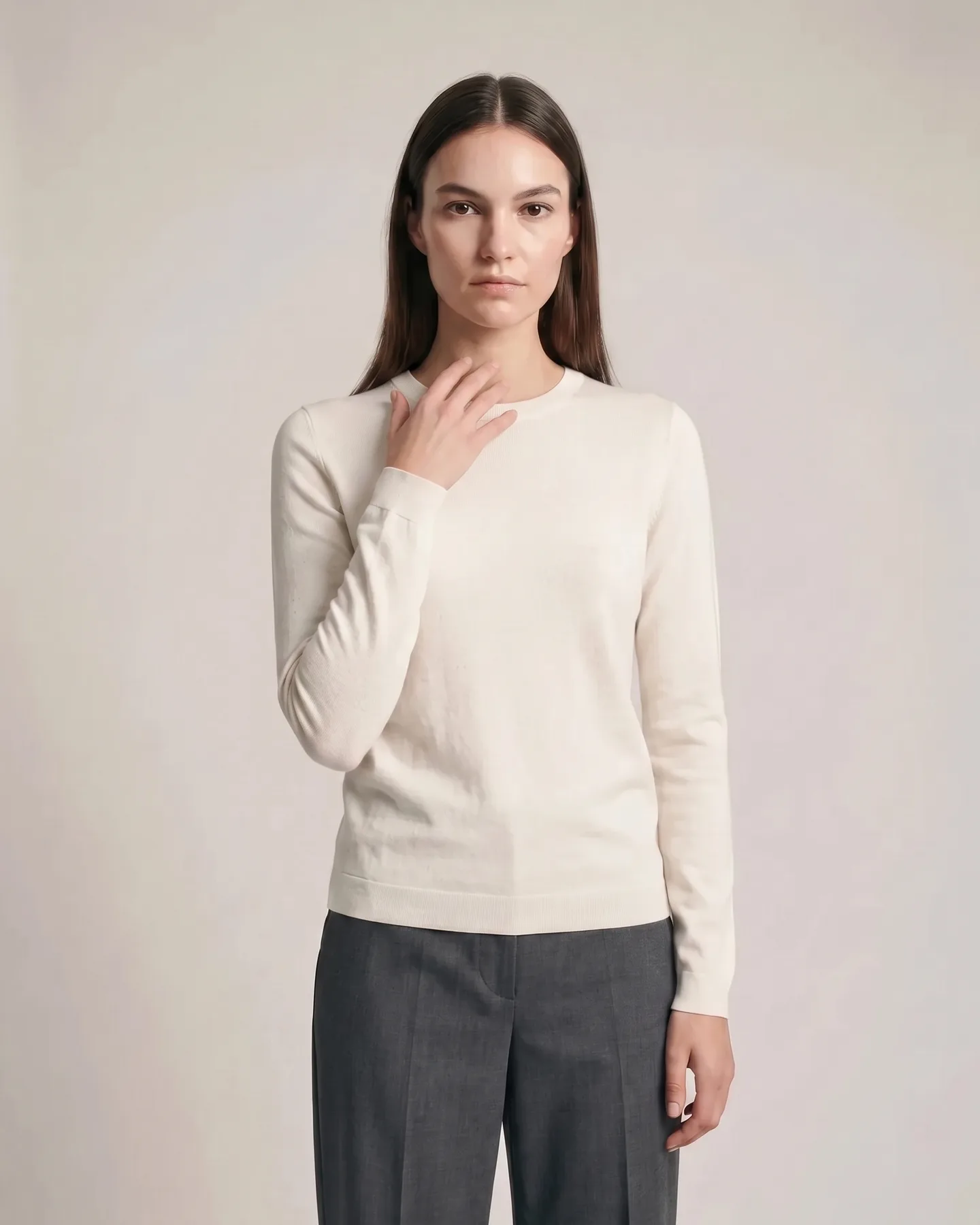
Hand to collar 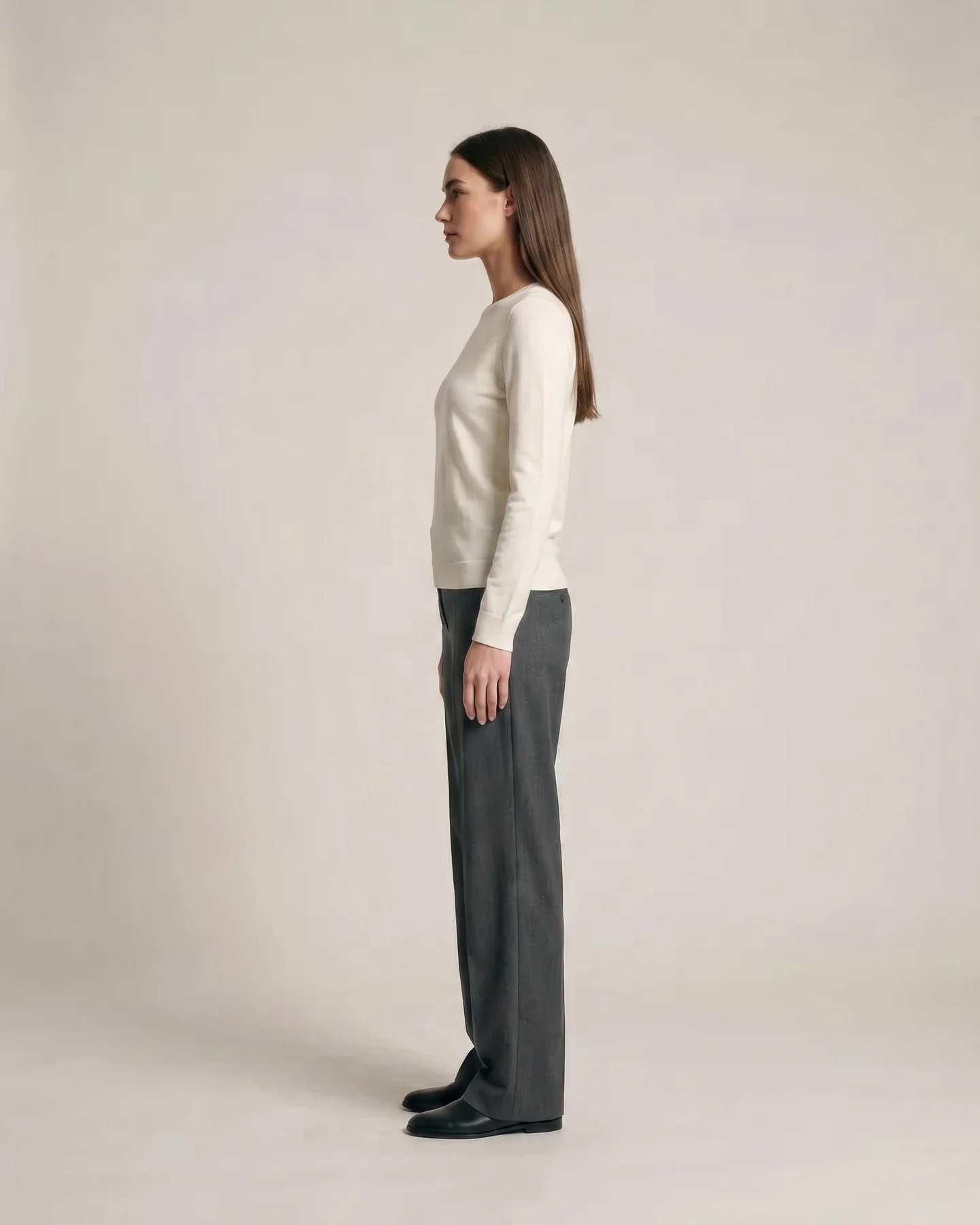
Profile 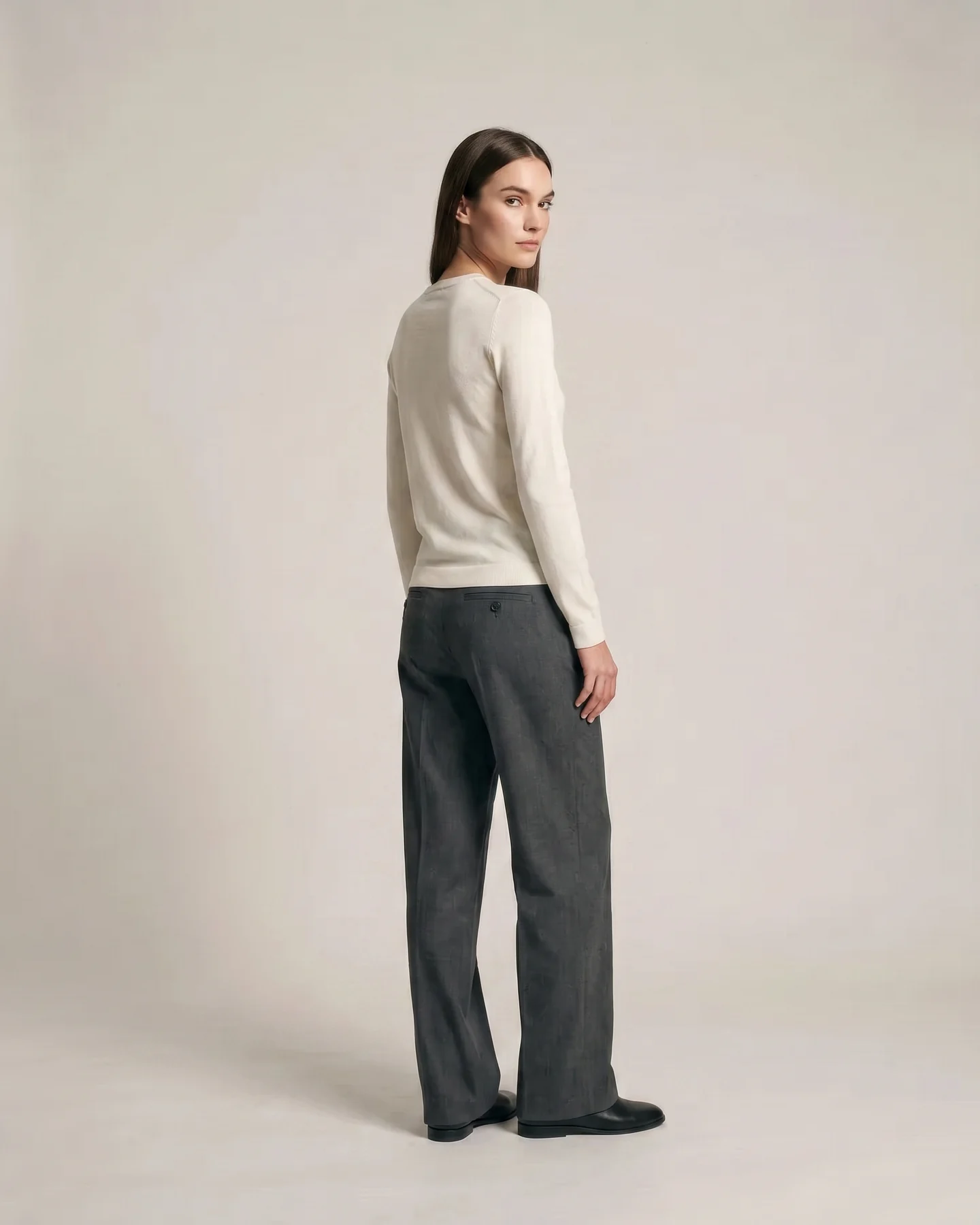
Three-quarter back 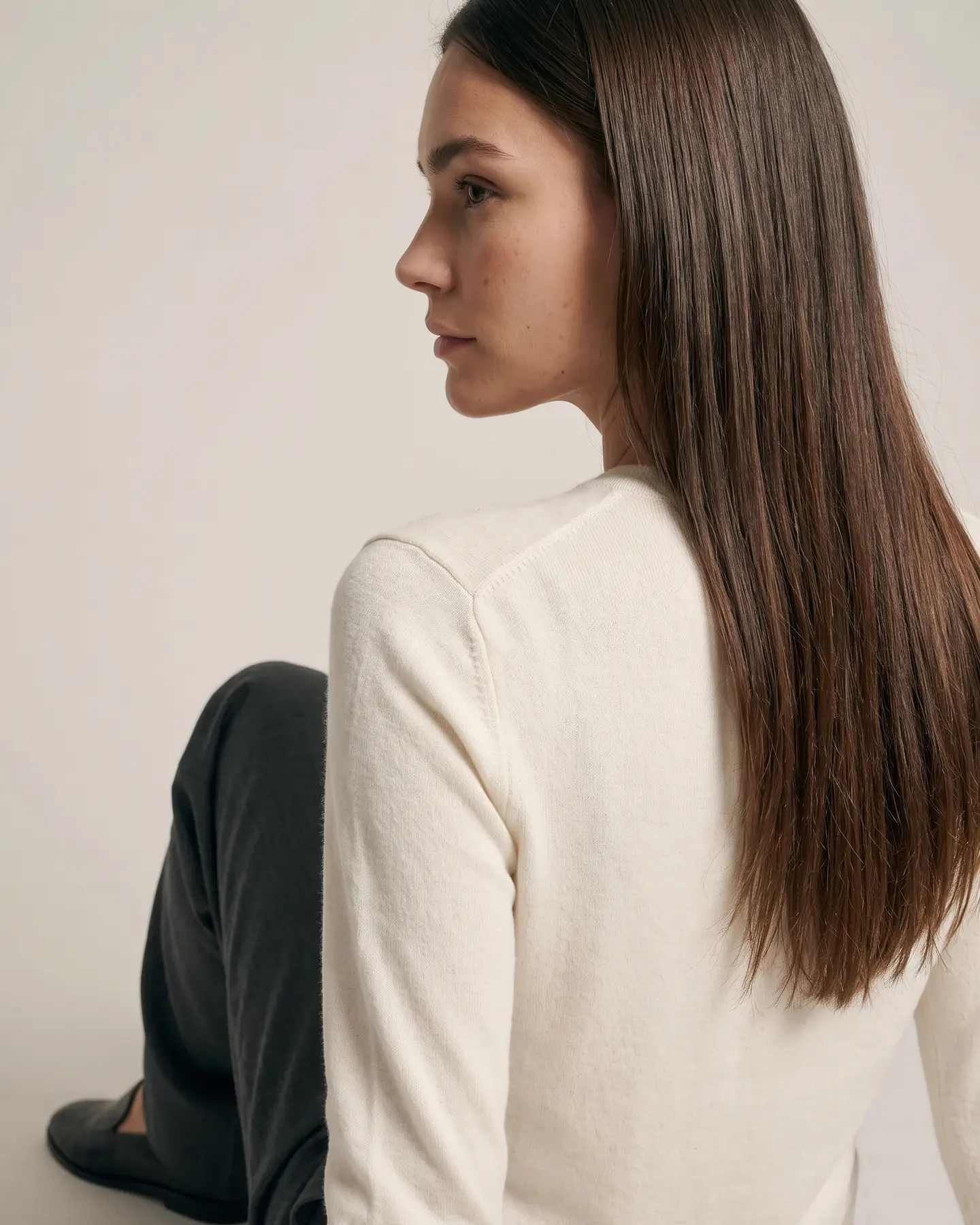
Over the shoulder 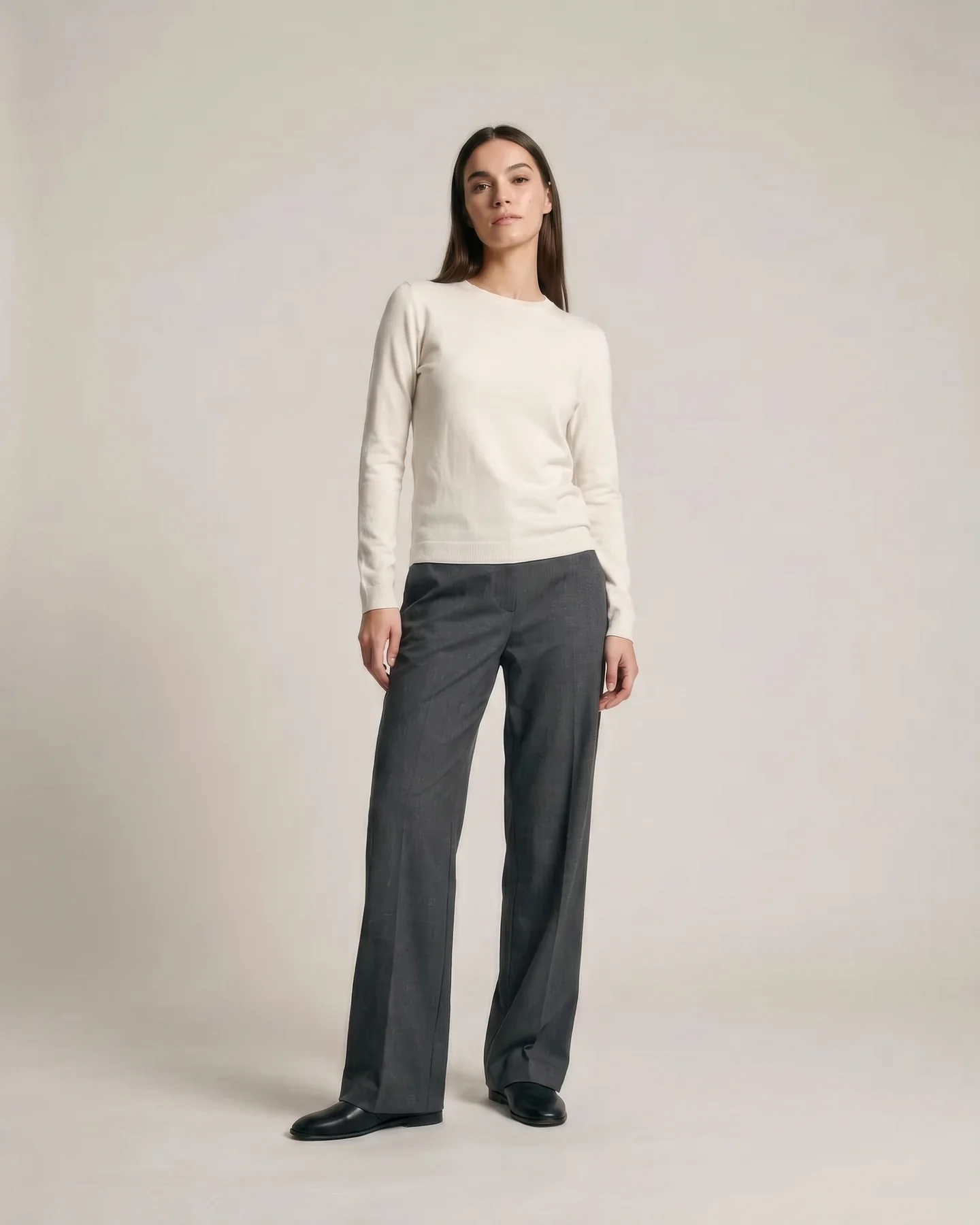
Low angle 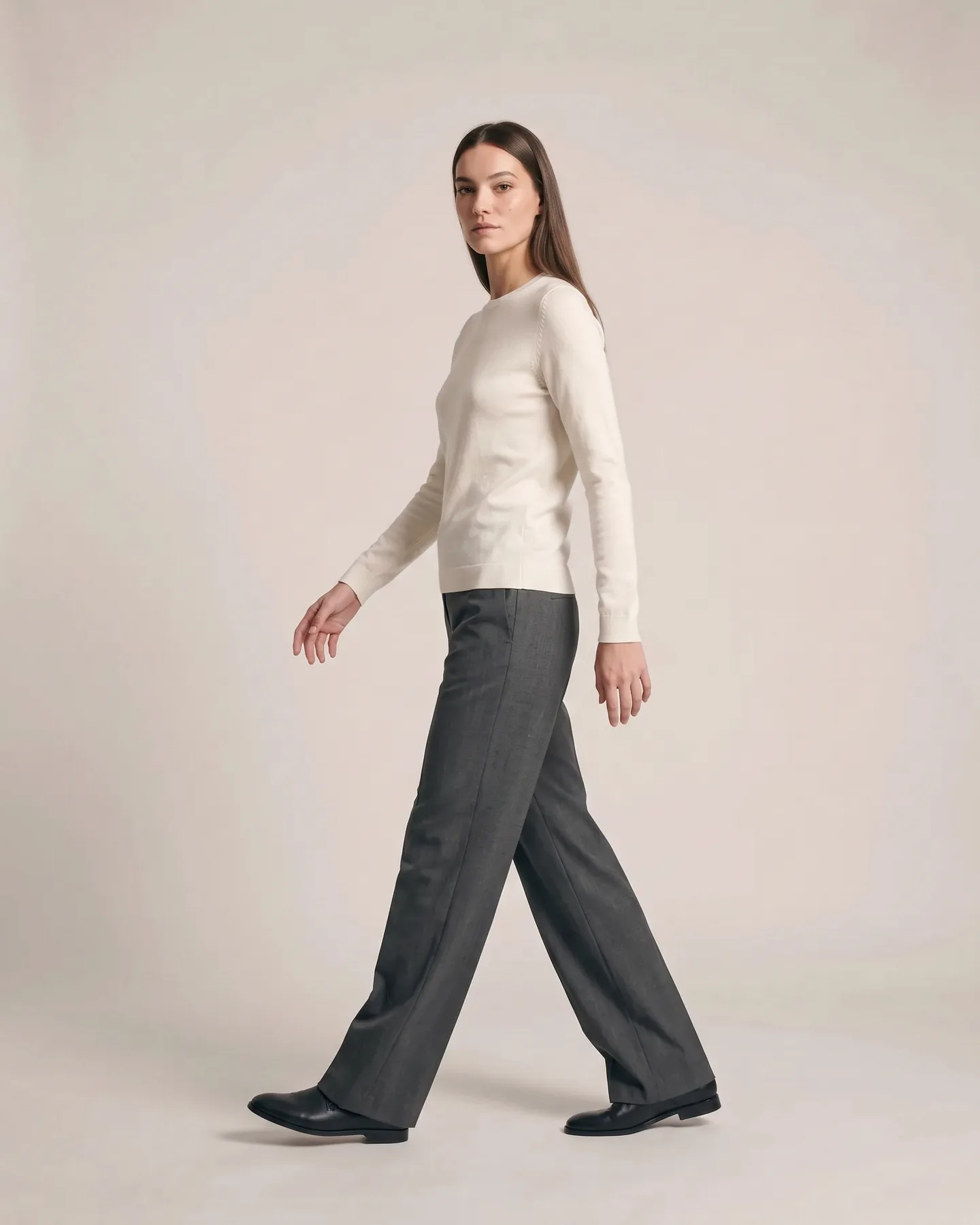
Step off
 01
01Pick a model
Choose one from FLAM's cast, or upload several photographs of your own. FLAM builds a single reference from them and uses it in every image.
 02
02Upload the clothes
Drag in a folder or a single file. Phone photos are fine. FLAM sorts what arrives, whether it is clothes, bags, shoes or jewellery, and pairs the front and back of the same piece.
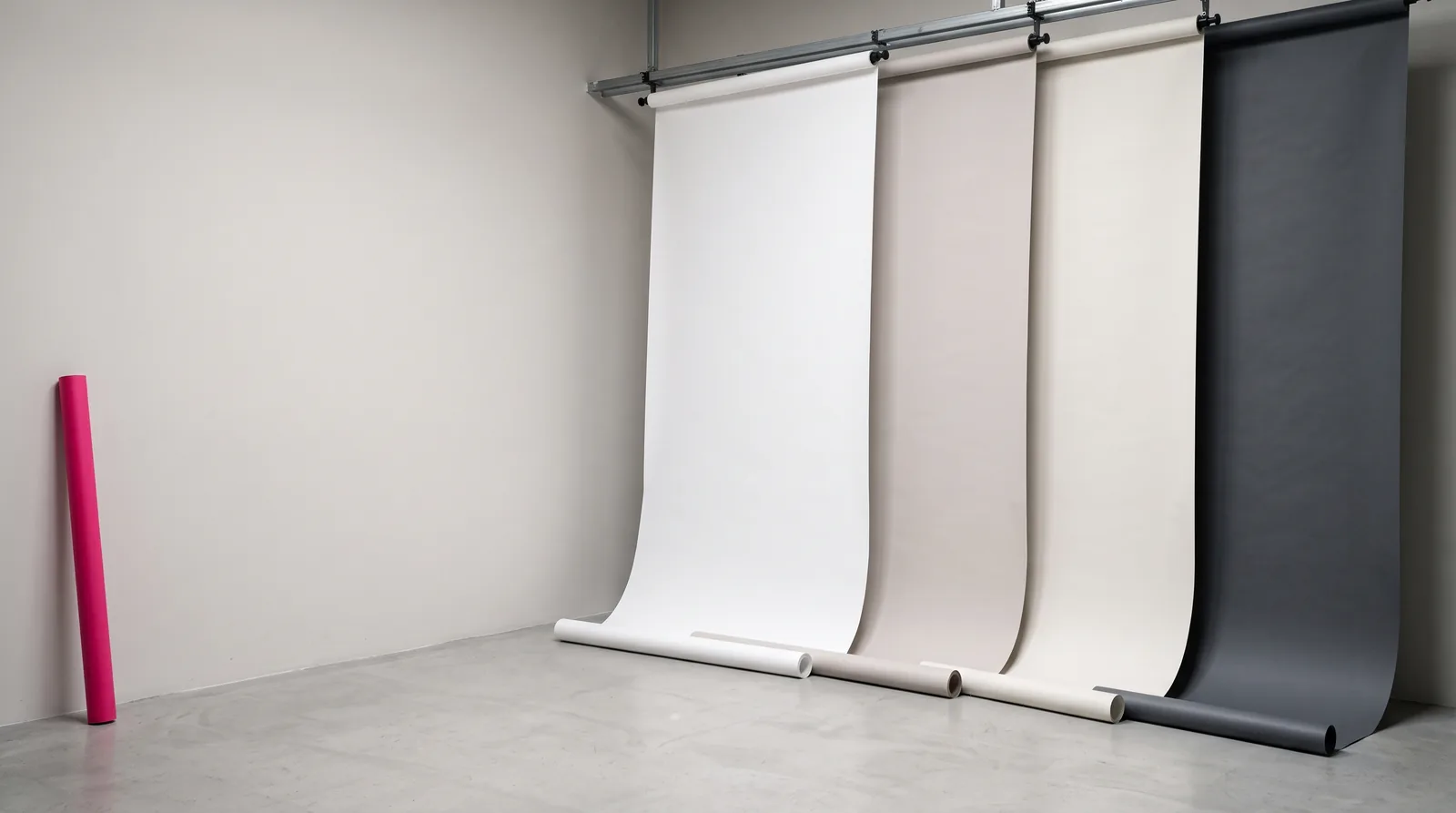 03
03Pick a background
Choose where the clothes are photographed: a studio backdrop, a gallery wall, a street at eight in the morning.
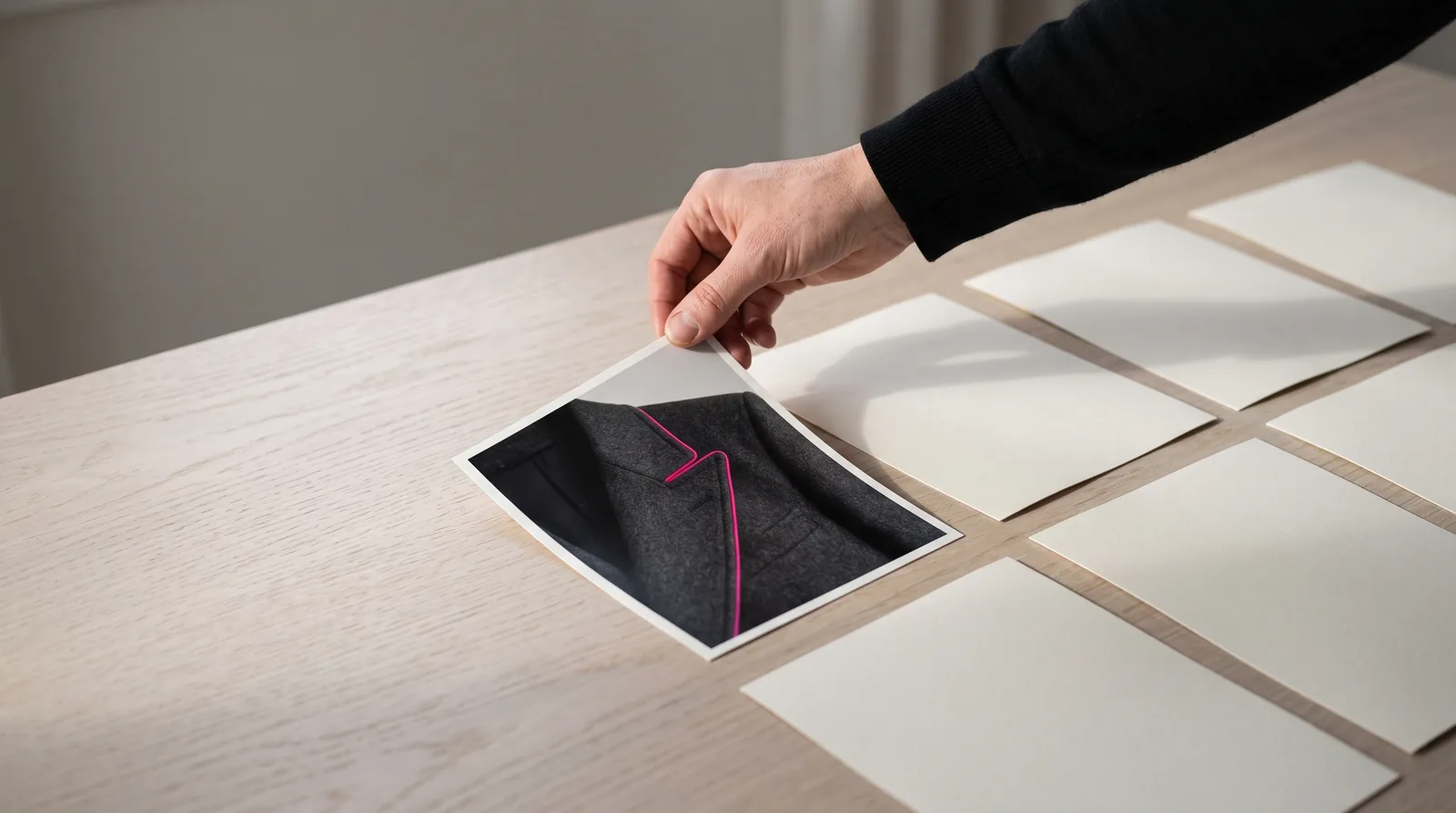 04
04Lock the reference, the rest match
We develop one image first. Approve it and we match every other image to it. If we mark a problem, the button next to the mark draws that image again and writes the correction for you.
Invitation only · we are letting houses in slowly
Four steps, and the first one is a phone shot.
Keep the shoot you booked.
Shoot the looks the season is built on. Book the model, book the studio, keep the photographer you like working with. Then send us the pieces that were never going to make it into frame: the second colourways, the sizes, the ones you photograph on a hanger and hope nobody looks at too closely. You will not have to tell anyone you replaced the shoot, because you did not.
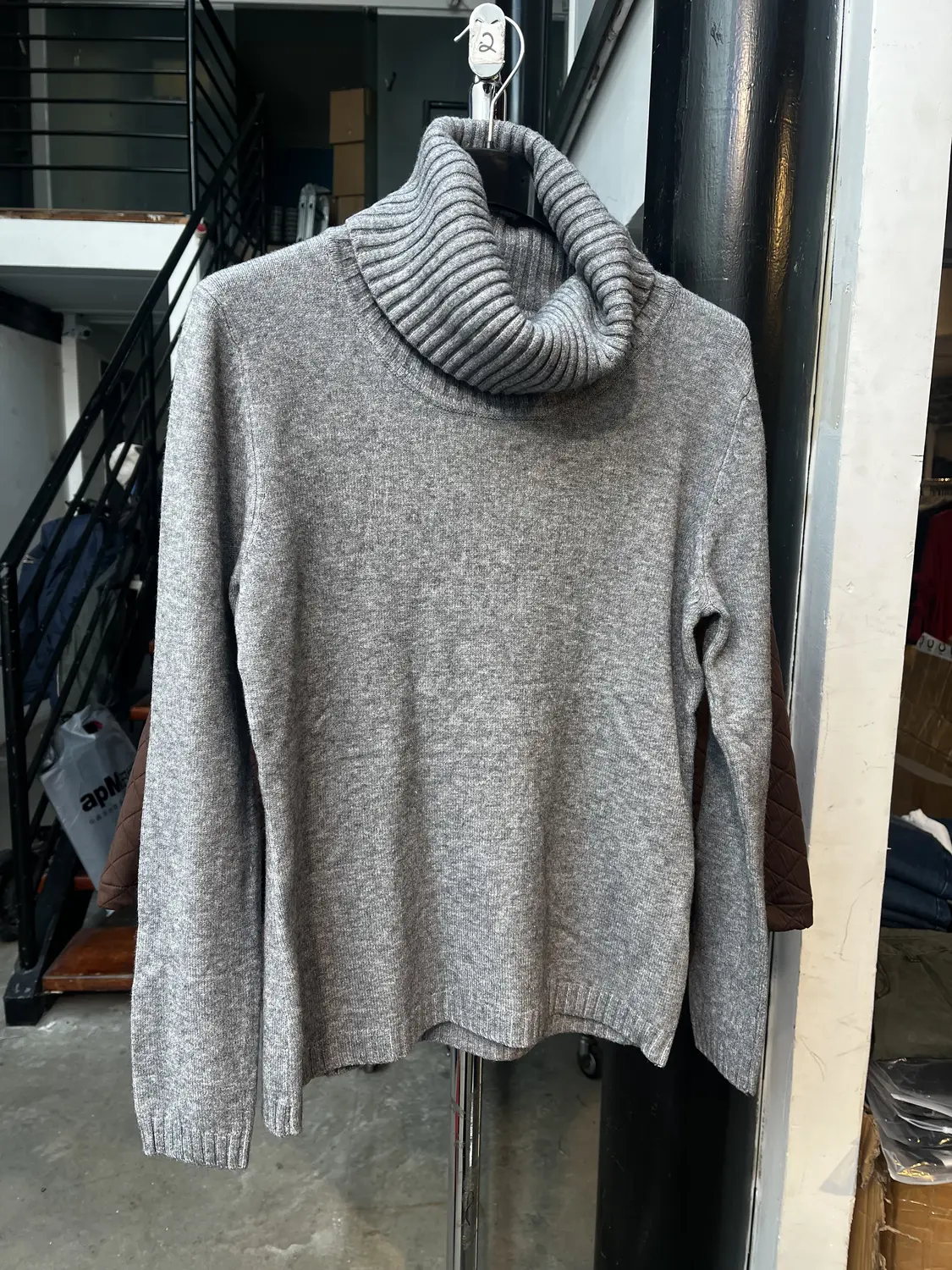
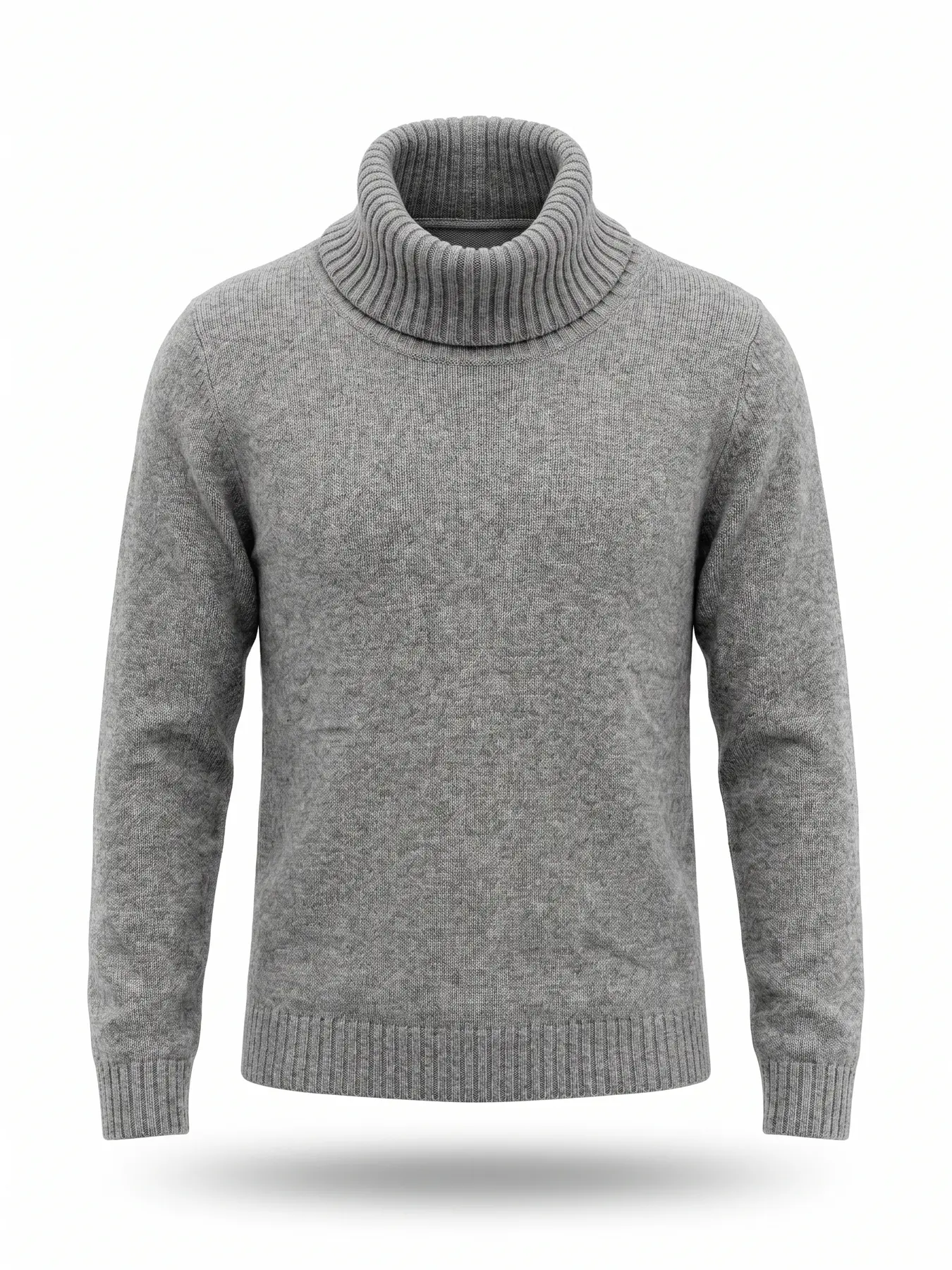
Start with the pieces you had already given up on. It is the cheapest way to find out whether this works, and the fairest: you put our images next to your own photographer's, on your own garments, in the same week.
Every plan gives you the whole product. What changes is how many images you get each month.
The invoice comes as one number. No tool, resolution, seat or key is locked behind a bigger plan. A bigger membership buys more images each month, a lower price on each one, and more months for unspent tokens to wait.
Studio
$49/ month
20Looks a monthA look costs $2.45Unused tokens expire.Editorial
$149/ month
78Looks a monthA look costs $1.91Unused tokens carry for 2 months.3.9× Studio's work for 3× its price.
Couture
$399/ month
244Looks a monthA look costs $1.64Unused tokens carry for 3 months.3.1× Editorial's work for 2.7× its price.
The bars are scaled to 1,000 images a month.
Buying a look with top-up tokens costs $2.60. On every plan it costs less.
Top-ups
250 tokens $10 · 1,000 tokens $40 · 3,000 tokens $120
- One image costs 9 tokens at 1K, 13 at 2K and 19 at 4K, and removing a background costs 2. You pick where the image is going, a product page or a print spread, and FLAM works out the pixels. You see the price before you spend it.
- The same 2K image costs $0.49 on Studio, $0.38 on Editorial and $0.33 on Couture.
- Your monthly tokens expire at the end of the month. Top-up tokens never expire, but they cost more per token than any plan. Buy them when a month runs short.
- How the looks above are counted: a look is the image you approve plus 4 variations, and a piece is one packshot. Most looks need 3 to 5 images, so these counts are deliberately low. Highlight one piece in a look and it gets a close-up of its own on the model, which costs one image more.
- A model from FLAM's cast is bought once, with money, not tokens. Tokens only pay for images.
What you will want to know.
Do I have to write prompts?
No, and you never will. You pick a model, the clothes and a background from what is on screen. FLAM works out the rest, so you never have to describe an image or hunt for the right words.
I tried AI on a collection and it never looked like the brand. What is different here?
Your own photographs are the reference. Your model, your garments and your logo go in, and FLAM works from those rather than from a description of them. Then it reads every image that comes back against those same photographs and marks anything that does not match: a hand drawn wrong, or a logo that is not the one you gave us. It costs no tokens, and it never slows an image down or stops one. You open the tab and the reading is already done.
What happens if an image does not finish?
It costs you nothing. We hold the tokens while an image develops and give them back if it does not finish.
Do I have to sit and wait for it?
No. Upload the clothes, make your choices and close the tab. FLAM emails you when the lookbook is ready, and you can start the next one while the first is still running.
Will the same model appear across a whole collection?
Yes. Give FLAM several photographs of the same person and it builds one reference from them. Every image you develop after the one you approve is matched to that reference.
Do I have to stop doing real photoshoots?
No. Keep the shoot, and send us the pieces it was never going to reach: second colourways, sizes, the long tail of a catalogue. Nothing about FLAM requires you to cancel anything.
Can I bring my own model?
Yes. Upload several photographs of the same person and FLAM builds the reference. One headshot is not enough. We need to see the face from more than one side.
What resolution do the images come out at?
1K, 2K or 4K. You choose before you start, and the cost is shown when you choose it: 9, 13 or 19 tokens an image.
What is the difference between the plans?
How many tokens land each month, and how long unused ones last. Every plan runs the whole product: every tool, every resolution, the API, and as many people in the account as you like. Studio gives 1,300 tokens a month and nothing carries over. Editorial gives 5,100 tokens a month and unused tokens carry for 2 months. Couture gives 15,900 tokens a month and unused tokens carry for 3 months. The bigger the month, the less each image costs: the same 2K image is $0.49 · $0.38 · $0.33. The full comparison is at /pricing.
What happens to tokens I do not spend?
Monthly tokens expire at the end of their month, and your plan sets how many may carry over: none on Studio, 2 months' worth on Editorial, 3 on Couture. Top-up tokens are bought outright and never expire.
Can a developer or an AI agent use FLAM?
Yes. FLAM has an HTTP API, and its public routes are published as OpenAPI at /openapi.json. There is also an MCP server an agent connects to directly: it can list what we develop and what each costs, check the balance, start an image and collect it when it is done. Your account mints its own keys, and a key carries a role, so a read-only key can read the whole account but cannot spend a token. Jobs belong to the account rather than to one person, so your software can start a job and a director can watch it finish in the app.
Is there a limit on how much I can develop at once?
No. There is no per-account limit on any plan, so you can start a whole collection at once and we develop it as fast as we can. What you can develop is limited by your tokens, not by your plan.
Who is behind FLAM?
Adi Moyal, who builds campaigns for fashion brands. FLAM runs on the method she worked out building them, the one she teaches in her own course.
How do I get an account?
FLAM is invitation-only for now. The first group is small and we set up each account by hand. Ask for an invitation in the form below and tell us who you are and what you need photographed.
Invitation only · we are letting houses in slowly
Nothing left to explain. The first group is small on purpose.
Your software can use FLAM too.
FLAM has an HTTP API and an MCP server. Give an agent a key and it can develop a lookbook the way a director does.
Your account mints its own keys, and a key carries a role: a read-only key can read the whole account but cannot spend a token.
Send an idempotency key when you start a job and a retry never makes a second image or charges twice.
Jobs belong to the account rather than to one person, so your software can start a job and a director can watch it finish in the app. The public routes are published as OpenAPI at /openapi.json, so you generate the client instead of writing it.
POST /api/mcp
Authorization: Bearer flam_sk_…
- list_capabilities
- Everything we develop, and what each one costs.
- check_balance
- How many tokens you can spend now, and how many are held by jobs already running.
- list_assets
- The garments, models, backgrounds and finished frames the account owns.
- start_develop
- Develop one image. Returns a job id straight away.
- get_develop
- Where a job got to, the finished image, and what it cost.
- list_develops
- Everything running, whoever started it.
- preflight
- We look at your frames before you spend anything, and say what would go wrong.
- cast_model
- Bring a person's photographs and cast them as the account's model.
- read_model
- Read a person out of their photographs: age, skin, eyes and hair, in casting words.
- read_build
- Read a body out of one full-length photograph: build, posture, hands, and how tall they read.
- read_mark
- Your brand mark as it appears on real materials, and which set is used in a frame.
- get_verdict
- What our judge found in a finished frame, mark by mark.
- redraw
- Draw a frame again with the judge's correction carried in.
Invitation only · we are letting houses in slowly
You have read it all. The only thing left is to ask.
Send us the pieces that are still on the hanger.
FLAM is invitation-only for now. The first group is small and we set up each account by hand. Tell us who you are and what you need photographed.
What you tell us here sets your account up before you arrive.